


Backed by clinical research and delivering visible, natural results, polynucleotides are redefining how we approach skin regeneration. But if you’ve ever tried to explain what they are during a consultation, you’ve likely encountered the glaze – that look patients give you when science starts to sound a little… too scientific.
The truth is, understanding polynucleotides is one thing. Communicating their value without overwhelming or losing your audience? That’s a skill. In this blog, we’ll explore how to talk about polynucleotides in a way that’s clear, compelling, and patient-friendly – without watering down the science.
Start with the ‘why’ not the ‘what’
Before diving into molecular structure or fibroblast stimulation, anchor the conversation in your patient’s goals.
“You mentioned you want healthier skin that lasts – not just a quick fix. That’s exactly where polynucleotides come in.”
Leading with benefits helps patients immediately understand why they should care, setting the stage for a more engaged discussion.
Use analogies to make it visual
Polynucleotides are complex, but your explanation doesn’t have to be. Use everyday metaphors to bring the concept to life.
“Think of them like building blocks that help your skin repair and rebuild itself over time – like giving your skin the blueprint to heal smarter.”
“They work like fertiliser for your skin cells – creating a healthy environment so your collagen and elastin can flourish.”
Drop the jargon – keep the value
Your patients don’t need to know the names of cellular pathways – they need to know what those pathways mean for their skin. Avoid overloading them with medical terms, and instead focus on real-world outcomes.
Instead of: “They enhance dermal matrix remodeling and promote angiogenesis.”
Say: “They help your skin rebuild its structure and boost blood flow – so you get a healthier glow and better skin quality over time.”
Instead of: “Polynucleotides regulate oxidative stress and stimulate tissue homeostasis.”
Say: “They calm irritation, help the skin recover faster, and keep everything working in balance – especially helpful for sensitive or stressed skin.”
Instead of: “They increase fibroblast proliferation and extracellular matrix synthesis.”
Say: “They activate your skin’s natural repair cells to produce more collagen and elastin – which helps reduce fine lines and improve firmness.”
Talk timelines – set realisitic explanations
One of the biggest barriers to patient satisfaction is mismatched expectations. Unlike HA filler that offer instant results, polynucleotides require patience.
“You’ll start seeing changes around week 4-6. This isn’t a one-and-done – it’s more like training your skin to behave younger over time.”
This positions delayed gratification as a smart investment rather than a drawback.
Anchor results in real life, not lab reports
Bring your explanations back to what matters to the patient.
“This means less redness, fewer fine lines, and skin that just looks… healthier. Most people won’t notice you’ve had a treatment – they’ll just say you look really well-rested.”
Subtlety becomes a feature, not a compromise.
Highlight safety without being clinical
Today’s patients are savvier than ever – and often cautious about what’s going into their skin. Reassure them with simplicity and transparency.
“These are DNA fragments, purified from natural sources and used to teach your skin how to heal better. No fillers, no harsh chemicals – just what your skin already knows how to work with.”
This builds trust without getting bogged down in sourcing protocols or lab processes.
When it comes to polynucleotides, it’s important to emphasise they’re not all created equal. Tell patients that quality matters – and so does clinical backing. It’s important to choose brands with proven safety, ethical sourcing, and pharmaceutical-grade manufacturing.
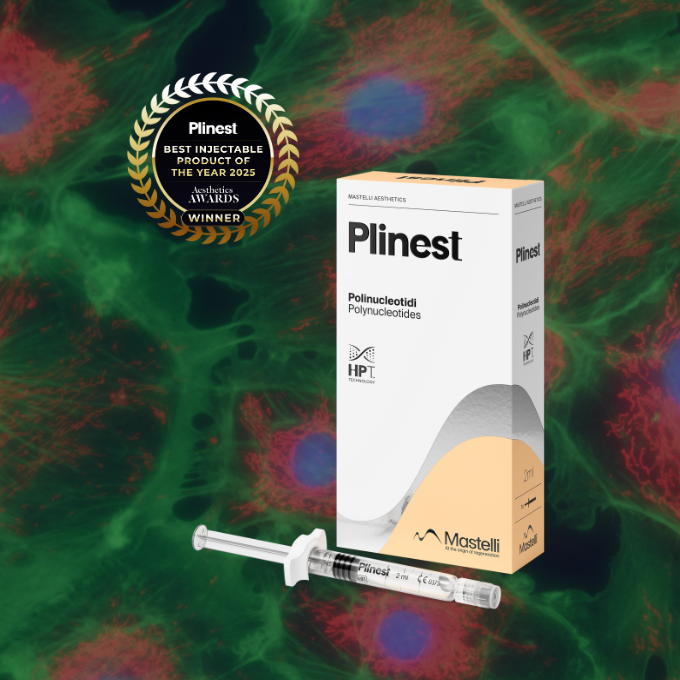
“That’s why we use Plinest® Polynucleotides HPT® – a trusted formulation backed by extensive research, GMP-certified production, and exceptional tolerability. Manufactured by Mastelli, a pioneer in regenerative medicine, Plinest® offers consistency, purity, and results you can rely on.”
Framing your safety message this way builds both confidence and loyalty – because patients don’t just want to know what you’re using, they want to know why you’ve chosen it.
Let your passion show – but keep it focused
Polynucleotides are exciting. Their versatility, tolerability, and regenerative power are unmatched. But in the consultation room, less is more. Stay focused on what this patient needs, not everything the product can do.
“Based on your goals, this treatment will help improve your skin’s texture and hydration, and support long-term collagen production. It’s a subtle but powerful way to future-proof your skin.”
Final thought: be the translator, not the textbook
Your job isn’t to give a lecture – it’s to make complex science feel simple, useful, and worth it. Polynucleotides like Plinest® Polynucleotides HPT® are changing the aesthetic landscape, but they still rely on patient understanding and trust to succeed.
Mastering the language of regeneration – and making it feel human – is one of the most powerful tools you have as a practitioner.



Recent Comments