


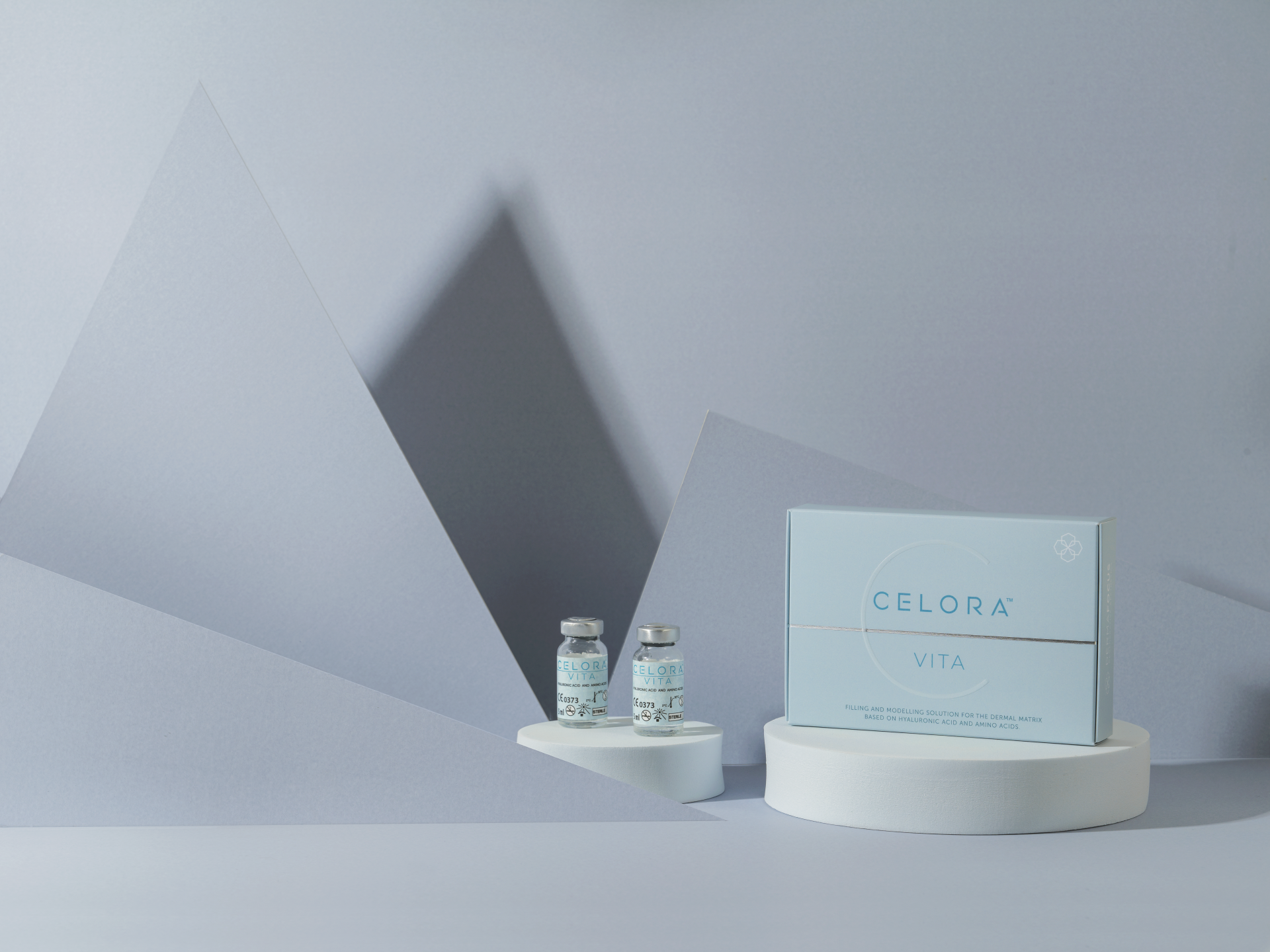
A Deeper Approach to Skin Quality: Introducing Celora™ Vita
With so many injectable skin treatments now available, it can be difficult to understand what actually sets them apart.
Celora™ Vita is part of a newer category of treatments focused on improving skin quality at a deeper, biological level – but what does that really mean, and how does it work?
A different approach to skin treatments
Unlike treatments designed to add volume or create instant visible change, Celora™ Vita is intended to support the skin from within.
It is an injectable treatment delivered through a series of small injections placed just beneath the surface of the skin. Rather than changing facial structure, it works by helping the skin function more effectively over time.
At the centre of this approach is something often overlooked in skincare: amino acids.
Why amino acids matter for your skin
Amino acids are the building blocks your body uses to produce proteins such as collagen and elastin, which are responsible for keeping skin firm, elastic and resilient.
As we age, the availability of these building blocks can decline. Even though skin cells are still capable of regeneration, they may not have access to everything they need to function efficiently.
Celora™ Vita is designed to address this by delivering a targeted combination of amino acids directly into the skin to support this function.
What’s inside Celora™ Vita?
Celora™ Vita contains a blend of nine amino acids, each selected for its role in supporting skin structure, function and hydration:
- Glycine and proline: key components of collagen, helping support its structure and stability
- Lysine: involved in strengthening and stabilising collagen fibres
- Leucine, isoleucine and valine (branched-chain amino acids): support protein synthesis and cellular activity, including fibroblast function
- Alanine and serine: contribute to skin hydration and barrier function through their role in natural moisturising factors
- Cysteine: supports antioxidant processes and plays a role in protecting skin cells from environmental stress
Together, these amino acids help provide the essential building blocks needed for healthy skin function.
The role of hyaluronic acid
Alongside amino acids, Celora™ Vita also contains low molecular weight hyaluronic acid.
While hyaluronic acid is often associated with hydration, in this context it also helps support the skin’s internal environment by creating the conditions needed for cells to communicate and function effectively.
What happens during treatment?
Celora™ Vita is administered through a series of small injections into the superficial layer of the skin.
A typical course involves three sessions, spaced a few weeks apart. The treatment itself usually takes around 30 minutes, and a numbing cream can be applied beforehand to minimise discomfort.
After treatment, small injection marks may be visible temporarily, but these usually settle quickly.
What kind of results can you expect?
Because Celora™ Vita works by supporting the skin’s natural processes, results develop gradually.
Patients often notice:
- Improved hydration
- Smoother, more refined texture
- Increased softness and elasticity
- A more radiant, healthy appearance
Rather than a dramatic or immediate change, the aim is to improve overall skin quality over time.
A regenerative approach to skin quality
Celora™ Vita reflects a growing shift in aesthetics towards treatments that focus on how the skin functions, not just how it looks.
By delivering both hydration and the building blocks needed for regeneration, it supports the skin in a way that goes beyond surface-level improvement, helping it maintain strength, structure and resilience over time.



Recent Comments