


The New Buzzword in Skin Quality
If you’ve been paying attention to the latest trends in skincare and aesthetics, you may have heard a new term being used recently: biorestoration.
But unlike many skincare buzzwords, this isn’t just clever marketing. It reflects a genuine shift in how we understand skin ageing and, importantly, how we treat it.
What’s behind the buzz?
For years, skin quality and aesthetic treatments have focused on correcting visible signs of ageing – smoothing lines, restoring volume or improving hydration at the surface.
While these approaches still have their place, there is growing recognition that healthy, youthful-looking skin depends on something deeper: how well the skin is functioning at a biological level.
Biorestoration is built around this idea.
So what is biorestoration?
Biorestoration refers to a regenerative approach that focuses on supporting the skin from within, rather than simply correcting what we see on the surface.
Instead of targeting individual concerns in isolation, it works to improve the overall condition of the skin by helping to rebuild its internal environment.
This includes supporting:
- Collagen and elastin production
- Hydration within the skin
- The extracellular matrix – the structure that keeps skin firm and resilient
Why is this so important?
From our mid-20s onwards, the skin’s natural processes begin to slow. Collagen production declines, hydration decreases, and the skin becomes less efficient at repairing itself.
Over time, this leads to visible changes such as:
- Fine lines
- Loss of elasticity
- Dullness
- Changes in texture
What’s becoming increasingly clear is that these changes aren’t just surface-level – they reflect a deeper decline in the skin’s ability to maintain itself.
Biorestoration aims to address this more fundamental issue.
How is this different from traditional treatments?
Traditional aesthetic treatments often deliver quick, visible results. However, they don’t always address the underlying causes of skin ageing.
Biorestoration takes a longer-term view. It focuses on creating the right conditions for the skin to function more effectively, supporting gradual and natural-looking improvement over time.
Where does Celora™ Vita fit in?
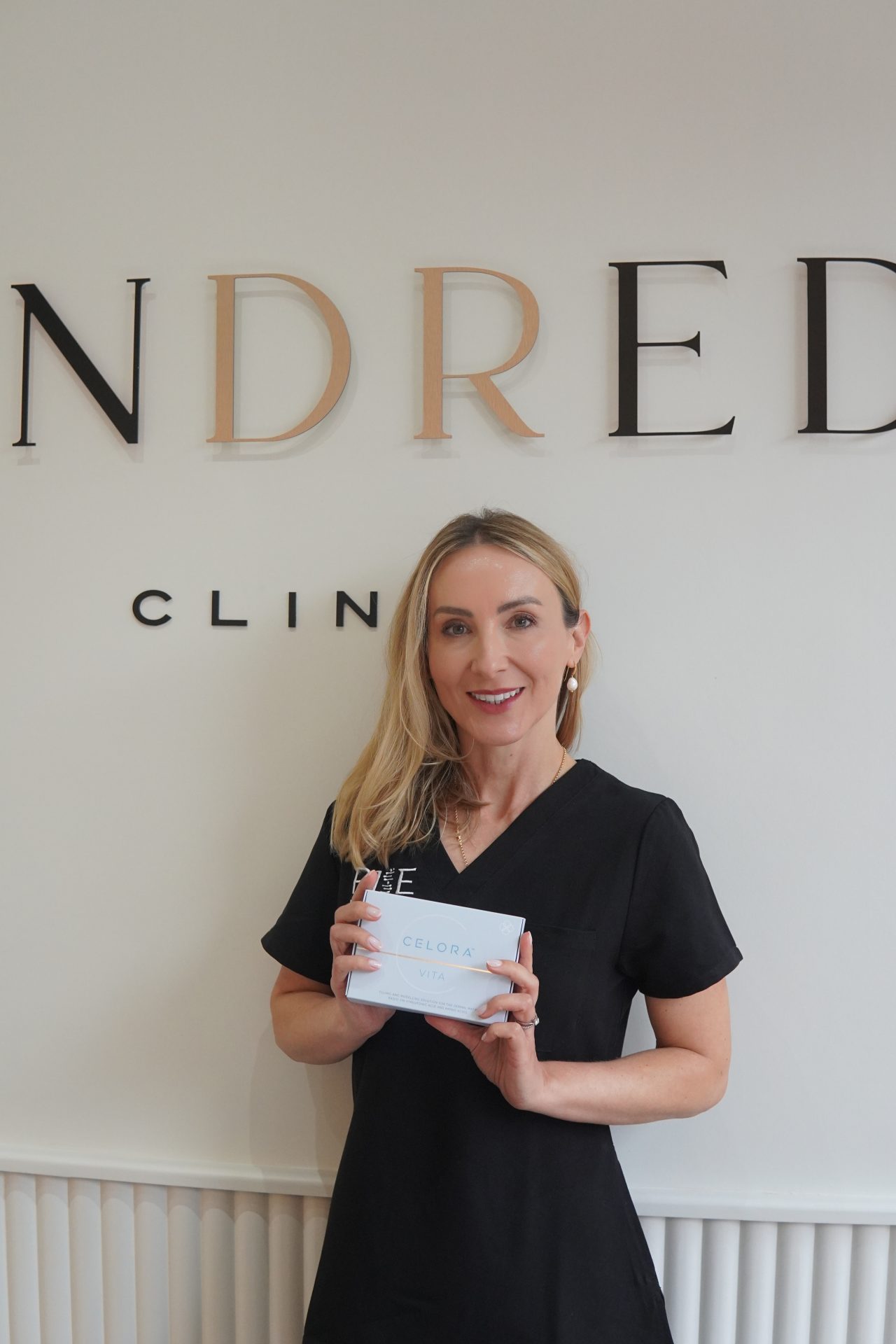
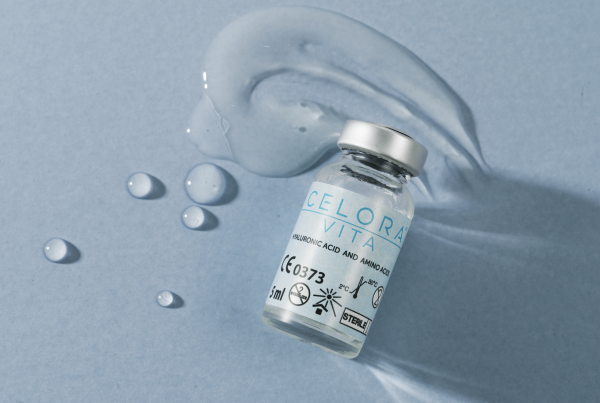
Celora™ Vita is an injectable treatment designed to support skin biorestoration.
It is delivered through a series of very small injections placed just under the surface of the skin (in the superficial dermis). The formulation contains a blend of nine amino acids – which act as building blocks for collagen and elastin – alongside low molecular weight hyaluronic acid to support hydration within the skin.
A typical treatment plan involves a course of three sessions, spaced a few weeks apart. Each session usually takes around 30 minutes, and a numbing cream can be used to keep you comfortable.
Rather than creating volume or dramatically altering facial features, Celora™ Vita works by supporting the skin’s internal environment. Over time, this can lead to improvements in hydration, texture, elasticity and overall skin quality.
Because this approach works with your skin’s natural processes, results develop gradually, with many patients noticing a healthier, more radiant appearance rather than an obvious or immediate change.
Is this the future of skincare?
Biorestoration reflects a broader shift within aesthetics towards treatments that prioritise skin health, not just appearance.
Patients are increasingly looking for:
- Natural, subtle results
- Long-term improvement
- Treatments that work with their biology
While it’s unlikely to replace traditional treatments entirely, biorestoration is quickly becoming an important part of a more balanced, regenerative approach to skin ageing.
The takeaway
Biorestoration may be a new buzzword, but treatments like Celora™ Vita demonstrate how this shift is already shaping the future of aesthetics – focusing on skin health, function and long-term quality.



Recent Comments