


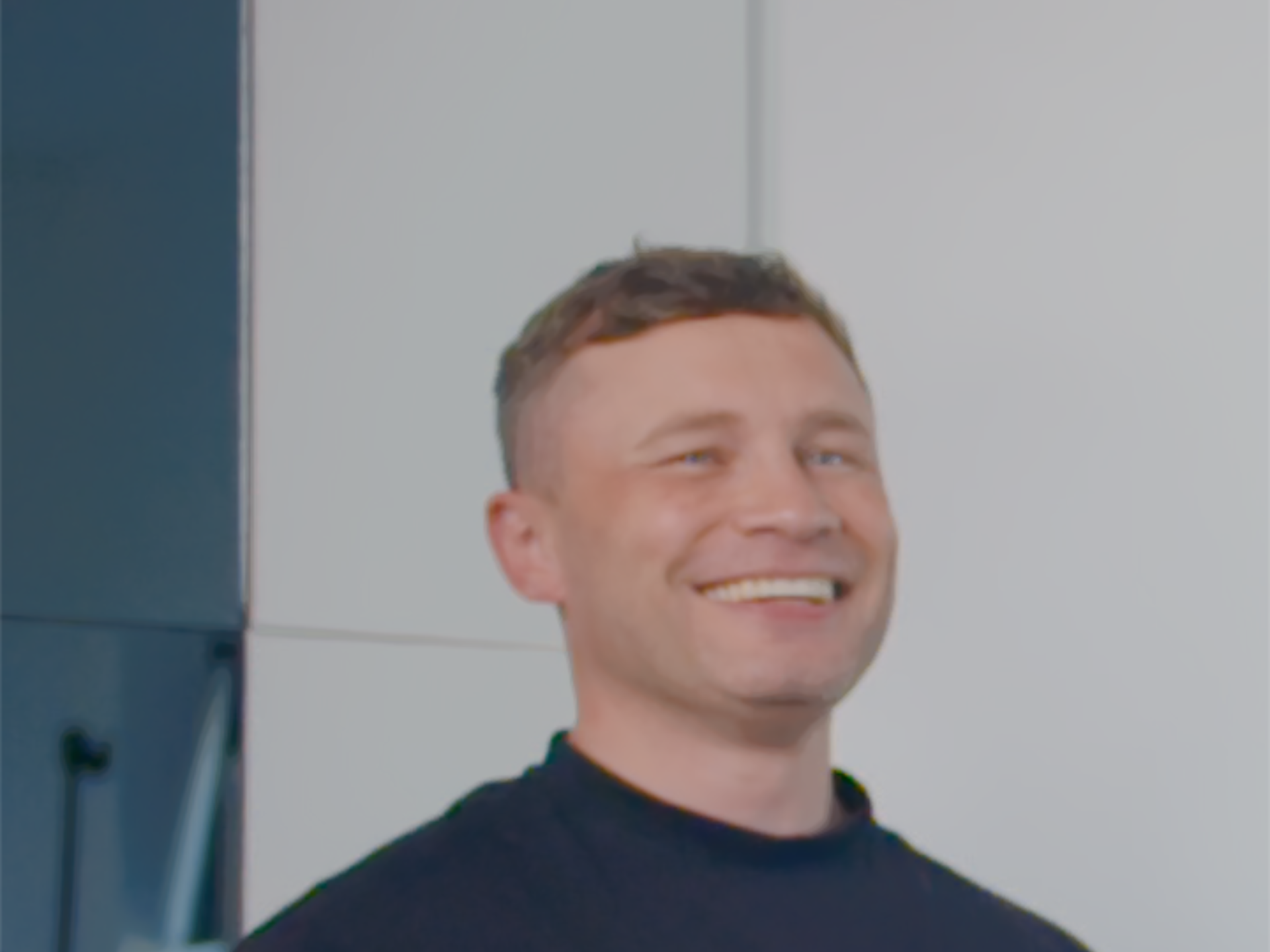
Why Carl Frampton Chooses Regenerative Medicine for Hair Loss
Former world champion boxer Carl Frampton has built a career on confidence, resilience and performing under pressure. Today, although he’s stepped away from professional boxing, he remains firmly in the public eye as a television commentator and pundit. That means spending hours in front of the camera, where every detail of his appearance is magnified.
When Carl began noticing subtle changes to his hairline and scalp density in his late thirties, he made the decision to act early. Rather than waiting until hair loss became more advanced, he chose a regenerative approach designed to support the health of his existing hair and scalp.
Why treating hair loss early matters
Hair loss is something many men experience, but it’s often left until significant thinning has already occurred. The challenge is that regenerative treatments work best while active hair follicles are still present.
Concerned by the early changes he was seeing, Carl sought advice from aesthetic practitioner and hair loss specialist Dr Peter Murphy. Following a comprehensive trichology assessment, including scalp analysis and follicular evaluation, Dr Murphy confirmed that Carl was experiencing early androgenetic alopecia, with sufficient viable follicles remaining to make him an ideal candidate for regenerative treatment. Rather than waiting until the hair loss progressed further, Carl’s goal was to preserve the hair he had, improve its quality and maintain a completely natural appearance.
The regenerative approach
Regenerative treatment focuses on improving the biological environment surrounding existing hair follicles, encouraging them to function more efficiently. Carl’s treatment combined three complementary regenerative technologies, each working in a different way:
Plinest® Polynucleotides
Plinest® contains highly purified polynucleotides (PN-HPT®), which have been extensively studied for their regenerative properties.
Within the scalp, polynucleotides help create a healthier environment for hair follicles by supporting tissue repair, improving extracellular matrix quality and encouraging fibroblast activity. Rather than acting directly on the hair itself, they help optimise the tissue that surrounds and supports each follicle.
Platelet-Rich Plasma (PRP)
PRP uses the patient’s own blood to concentrate platelets rich in naturally occurring growth factors.
These growth factors play an important role in cellular signalling, tissue repair and angiogenesis, helping to stimulate the biological processes involved in maintaining healthy follicles.
Purasomes Hair & Scalp Complex
Following his initial treatment course, Carl moved onto maintenance using Purasomes Hair & Scalp Complex delivered via microneedling.
This introduces bovine colostrum-derived exosomes, growth factors and other bioactive signalling molecules into the scalp to further support regenerative communication between cells and help maintain a healthy follicular environment over time.
Natural results with no disruption
For Carl, the aim wasn’t to change the way he looked, but to keep his hair looking healthy as he spent more time on television.
Because the treatment was non-surgical, it fitted easily around his filming schedule, with no lengthy recovery or interruption to work. Improvements developed gradually over the following months, resulting in hair that looked thicker, healthier and easier to style, without any obvious signs that he had undergone treatment.
It’s an approach that appeals to many men experiencing the early stages of hair loss. By supporting the health of existing follicles, regenerative treatments aim to preserve and strengthen hair before more significant thinning occurs.
Carl’s story highlights how early diagnosis, expert assessment and a personalised regenerative treatment plan can help preserve both hair and confidence.



Recent Comments