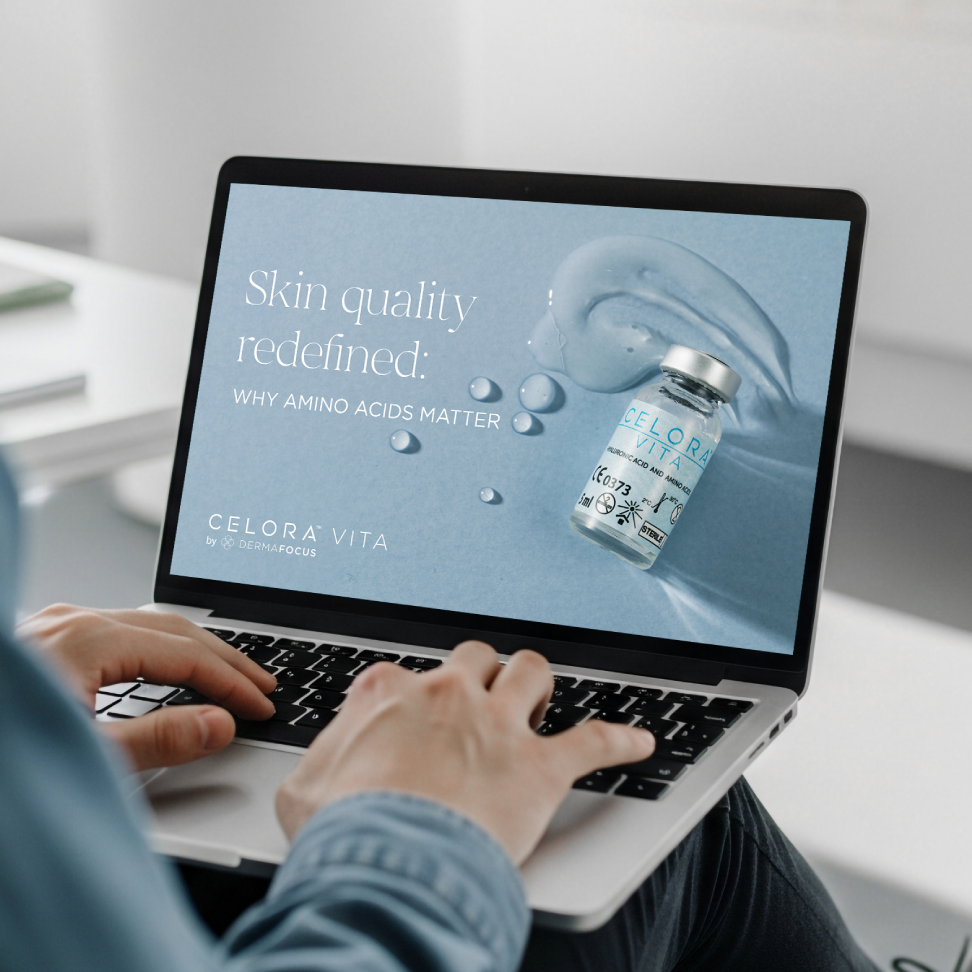
Why Amino Acids Matter

Skin quality depends on active fibroblasts maintaining collagen, elastin and hyaluronic acid within the extracellular matrix. With age and biological stress, this process slows as fibroblast efficiency declines. Amino acids are essential substrates for structural skin proteins. As collagen and elastin production decreases from early adulthood, reduced amino-acid availability limits protein synthesis. This contributes to loss of elasticity, hydration and dermal support. 

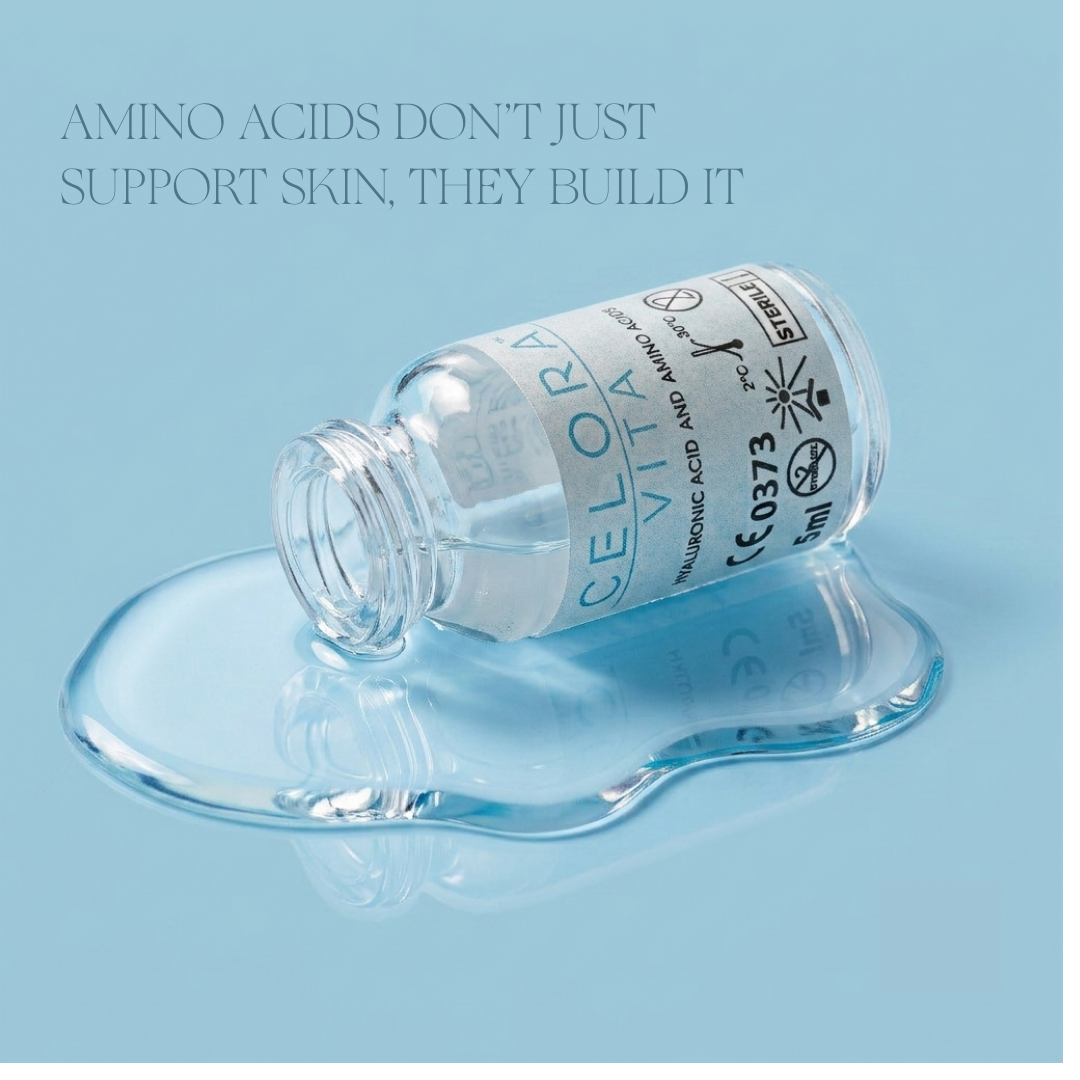
Celora™ Vita is designed to replenish the essential building blocks required for the efficient production of extracellular matrix proteins, supporting tissue quality and function. 
SHOP NOW
CONTACT YOUR CSP

How does Celora™ Vita work?

Celora™ Vita supports skin biorestoration, a regenerative approach that restores skin quality by rebuilding the dermal environment, rather than simply correcting surface signs of ageing. 

1. Substrate Replenishment 

Targeted amino acids are delivered to replenish essential building blocks required for complete extracellular matrix renewal, supporting collagen synthesis and elastin pathways. 

2. Dermal Hydration & Microenvironment Support 

Low-molecular-weight hyaluronic acid optimises hydration, enhances cell communication and supports tissue repair within the dermis. 

Together, these mechanisms promote progressive, physiological improvement in skin quality, not short-term correction.

Why Celora™ Vita?

Celora™ Vita provides the biological building blocks that allow regenerative treatments to deliver meaningful, long-term improvements in skin quality.

You cannot stimulate regeneration if the skin does not have the materials to rebuild.

​

BIORESTORATION AT THE SOURCE

Targets substrate depletion, the most overlooked root cause of skin ageing. Rather than correcting surface symptoms, it restores the essential substrates required for true extracellular matrix renewal.

MOST COMPLETE AMINO ACID BLEND IN ITS CLASS

Delivers the most complete amino acid blend in its class. It’s comprehensive 9 amino acid profile provides the full spectrum of building blocks required to support complete ECM renewal and structured regeneration.

FULL BRANCHED-CHAIN AMINO ACIDS COVERAGE

Includes full branched-chain amino acid coverage (Leucine, Isoleucine and Valine). These essential amino acids support protein synthesis and tissue repair.

DESIGNED FOR PHYSIOLOGICAL REGENERATION

Designed to work within structured regenerative protocols. It supports long-term skin quality by promoting progressive, physiological improvement rather than short-term correction.

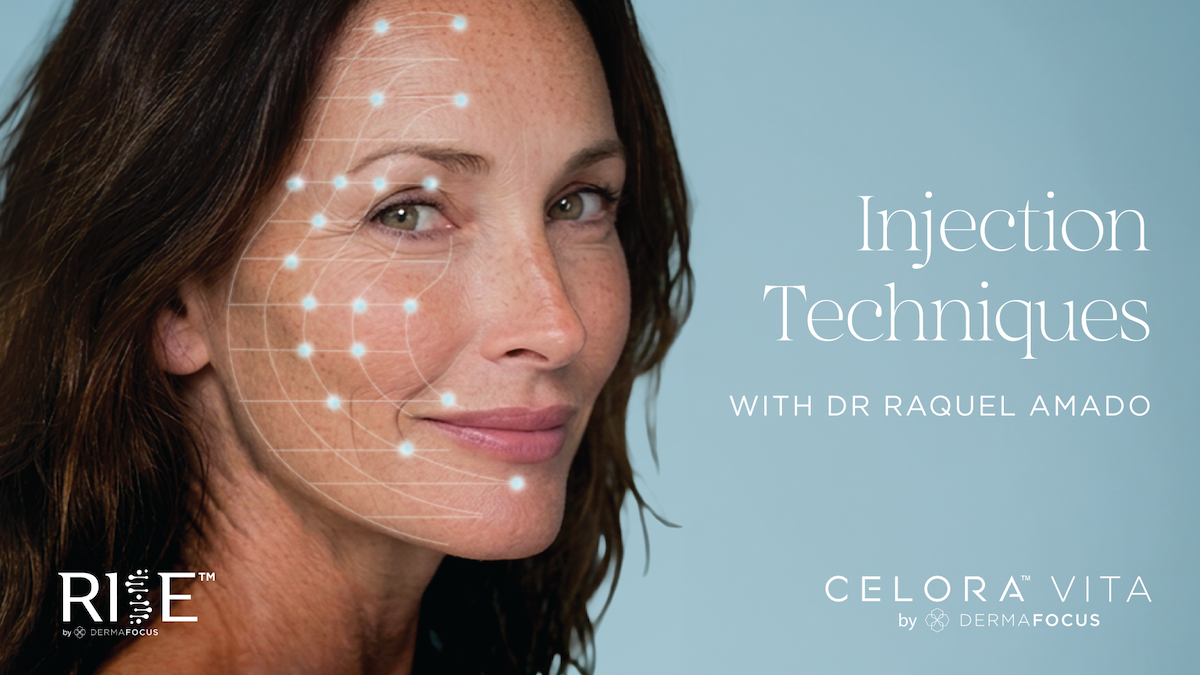
Celora™ Vita Injection Technique

Resources

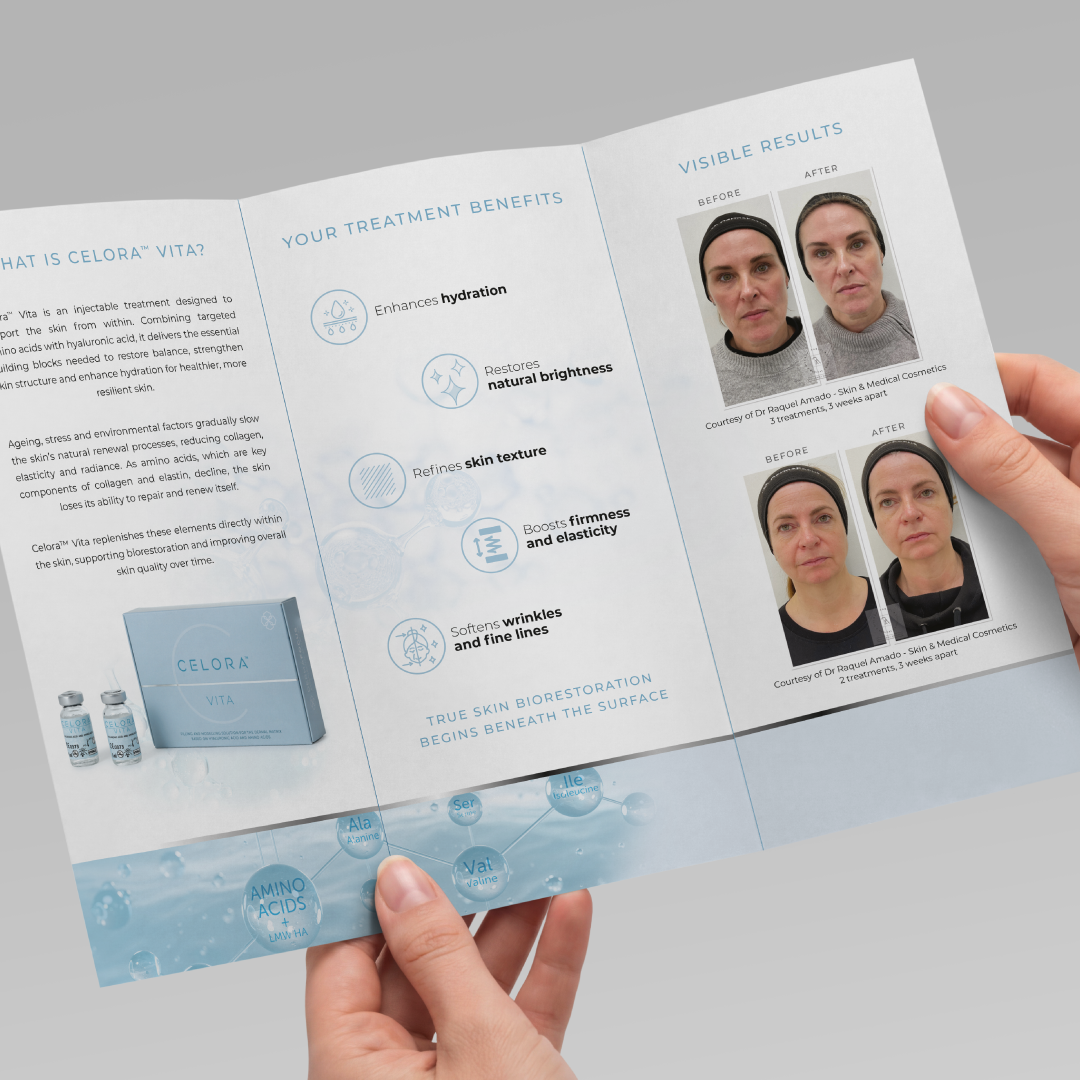
Celora™ Vita Marketing Materials

Brochures, logos, in clinic-videos

Celora™ Vita Patient Information

Patient guides, treatment information and aftercare resources

Celora™ Vita Social Media Assets

Ready-to-use social posts, graphics and digital content

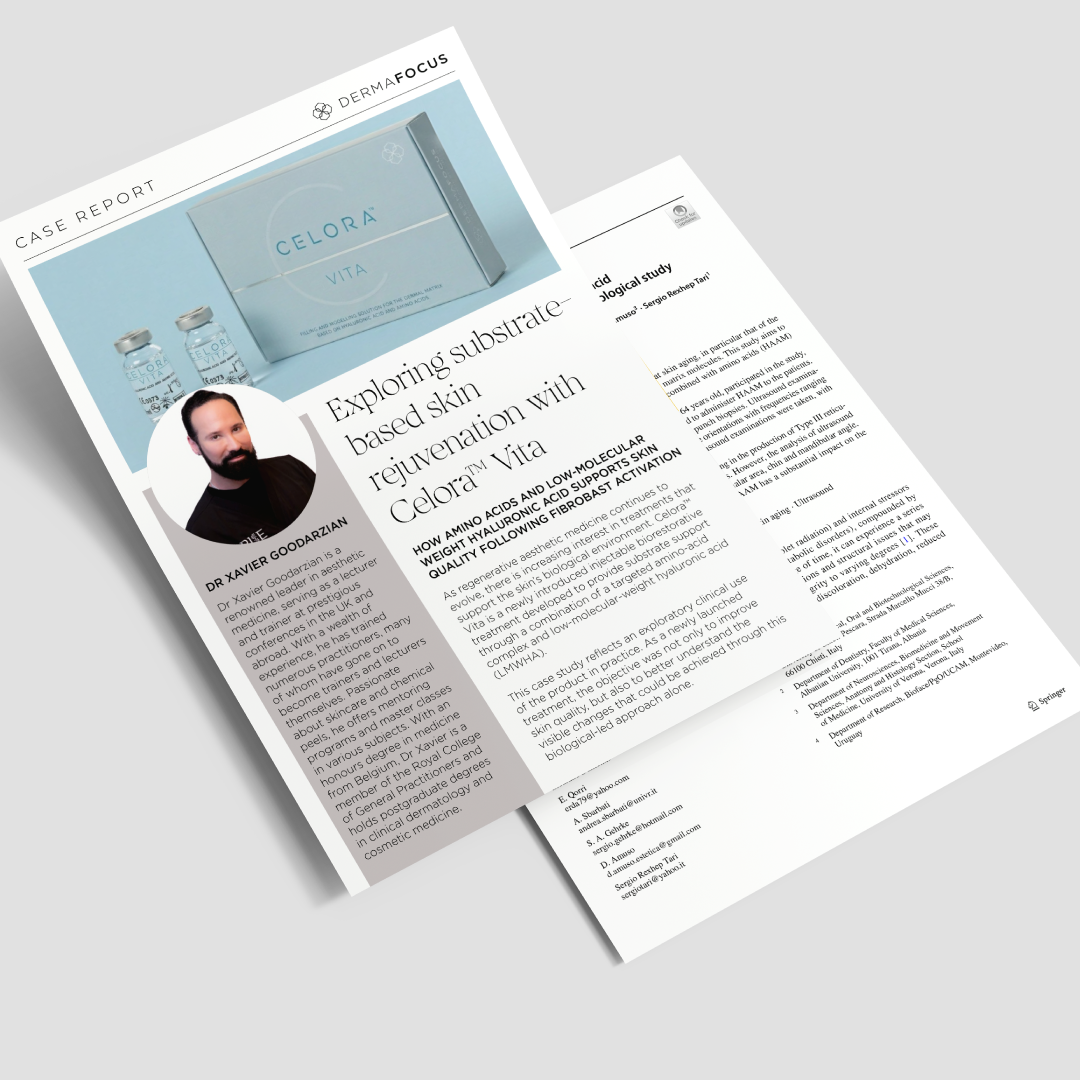
Celora™ Vita Clinical Support

Clinical guidance, protocols and case studies

Celora™ Vita Webinars

Educational webinars, expert sessions and on-demand learning

John Bannon

1. What is Skin Biorestoration?

2. Why Biorestoration Matters?

3. Why does ageing skin require substrate support?

Ageing drives a progressive decline in extracellular matrix quality due to reduced fibroblast activity, collagen and elastin fragmentation, amino acid insufficiency, and hydration loss. Without essential building blocks, the skin cannot regenerate.

4. Why are amino acids fundamental in skin regeneration?

5. What differenciates Celora™ Vita from other amino acids?

6. What type of patient is suitable for Celora™ Vita?

Celora™ Vita is indicated for fine lines, wrinkles, dehydrated or dull skin, uneven texture, early to moderate chrono/photo–ageing, and prejuvenation. It is suitable for patients seeking regenerative skin quality improvement rather than volumisation.

7. Is Celora™ Vita a safe treatment option?

Yes, Celora™ Vita is a CE–marked medical device and has been well tolerated across clinical evaluations, with no serious adverse events or treatment–related complications reported.